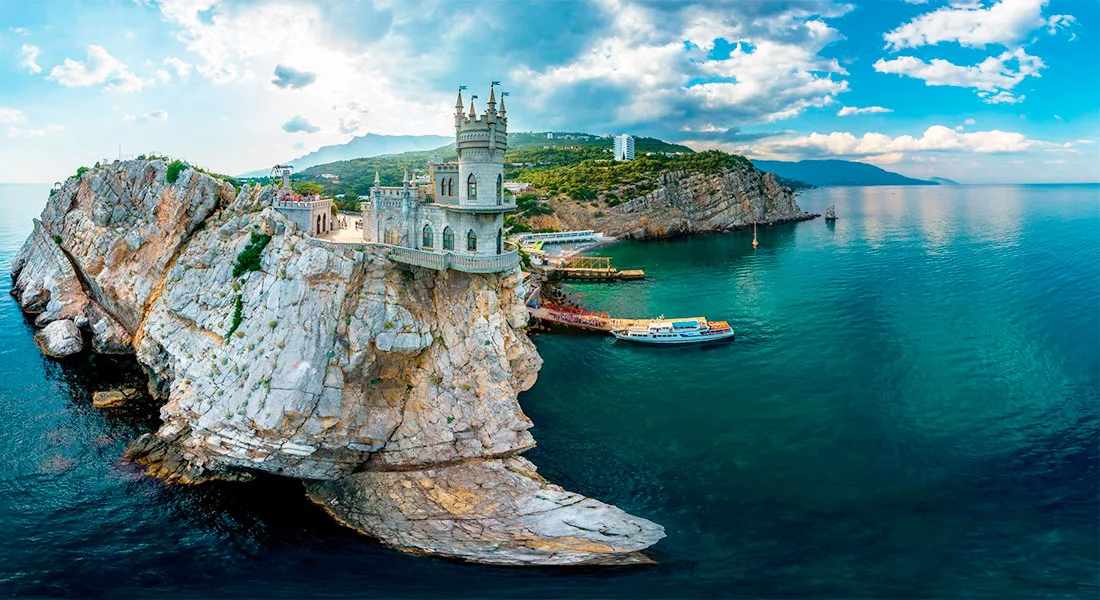
Investing in Crimea Real Estate: Market Overview, Risks, and Practical Guidance
Overview
Crimea offers a distinctive real estate market: scenic coastal locations, a warm tourist season, and a range of property types from Soviet-era apartments to seaside villas. However, the region’s complex legal and geopolitical status affects market liquidity, financing, insurance and long-term security of title. This guide lays out the practical realities, key risks, and steps to take if you’re considering buying, renting or investing in Crimea.
Market snapshot
— Popular locations: Sevastopol, Yalta, Alushta, Gurzuf, Feodosia, Simferopol, Kerch.
— Property types: city apartments, Soviet-era housing, private villas and dachas, holiday rentals, commercial/retail premises.
— Demand drivers: domestic Russian tourism (summer season), coastal holiday rentals, local housing needs.
— Seasonality: peak demand and rental yields occur in late spring–early autumn; winter demand is lower.
— Liquidity: lower than mainstream Russian or European markets; resale can take longer and may be constrained by legal/financial barriers.
Key legal and geopolitical considerations (must-read)
— Administrative control vs. international recognition: Crimea has been administered by Russia since 2014. Many countries and international institutions continue to recognize Crimea as part of Ukraine. This creates legal ambiguity and cross-border complications.
— Sanctions and restrictions: international sanctions affect banking, insurance, legal services and the ability of non-Russian entities to transact in the region. Sanctions regimes change—check current measures from relevant jurisdictions.
— Property title risk: ownership claims arising from pre-2014 transfers or disputes may complicate clear title. Some deeds recorded prior to 2014 may face challenges depending on which legal framework is applied.
— Travel and documentation: entry and exit procedures, visa and customs rules may differ for visitors depending on origin country and diplomatic positions.
*Recommendation:* Before any action, consult independent legal counsel experienced in Crimean real estate and international sanctions law.
Typical purchase process (practical steps)
1. Engage a local, licensed real estate agent with local references.
2. Conduct a title search at the regional cadastral registry to confirm ownership, encumbrances, mortgages and registered rights.
3. Hire an independent lawyer to review documents and verify chain of title.
4. Negotiate purchase terms and deposit conditions; use escrow or a neutral notary if available.
5. Execute a sales contract drafted under the applicable local law; register transfer with the cadastral and tax authorities.
6. Pay taxes and fees, and record the new ownership in the land and property registry.
Due diligence checklist
— Verify seller identity and legal capacity to sell.
— Confirm property registration number (cadastral number) and physical boundaries.
— Check for mortgages, liens, easements, or pending litigation.
— Confirm permitted use and zoning classification.
— Review historical permits, renovation approvals, and compliance with building codes.
— Inspect utilities, sewage, coastal setback lines (for sea-front properties) and environmental restrictions.
— Confirm access rights (roads, driveways) and parking.
— Assess tenant occupancy and lease terms for investment properties.
— Evaluate flood, erosion and landslide risk for coastal plots.
Financing, insurance and taxation
— Financing: International banks and Western lenders generally do not provide mortgages for Crimean properties; most financing is available only from local (Russian) banks or private arrangements. Expect higher down payments and stricter terms.
— Currency: Transactions are typically conducted in Russian rubles; currency controls and exchange complexities may apply.
— Insurance: International insurers often exclude coverage in sanctioned regions. Local insurance options may be limited; evaluate catastrophe and liability coverage carefully.
— Taxes: Under local administration, property, land and transaction taxes are charged per Russian law. Tax treatment in your home country may also apply—consult a cross-border tax adviser.
Rental and investment strategy
— Short-term holiday rentals can produce good seasonal returns in popular coastal towns. Invest in maintenance, marketing and local management to maximize occupancy.
— Long-term rentals tend to yield lower nominal rents but reduce turnover and management overhead.
— Consider diversification: mix city apartments (year-round demand) with holiday properties (seasonal upside).
— Factor in operational costs: utilities, condominium fees, local management, maintenance, and property taxes.
Renovation, management and local operations
— Use registered local contractors; ensure permits for major works.
— For holiday rentals, professional property managers or local agencies can handle check-ins, cleaning, maintenance and turnover.
— Plan for supply chain constraints for materials and specialist services—some items may be pricier or slower to source.
Common pitfalls to avoid
— Relying solely on verbal assurances or unvetted agents.
— Overlooking encumbrances or post-2014 disputes over title.
— Assuming access to international financing, insurance or legal recourse.
— Neglecting the seasonal nature of rentals and maintenance costs specific to coastal properties.
— Ignoring sanctions risk when planning exits, cross-border transfers or repatriation of funds.
Practical next steps
— Obtain an up-to-date sanctions/legal risk briefing relevant to your nationality and residency.
— Retain a local real estate lawyer with experience in property transfers and cadastral registration.
— Request a full title search, recent cadastral extract and copy of the seller’s passport/ID.
— Visit the property during peak and off-peak seasons to assess real occupancy and condition.
— Model returns conservatively, stress-testing for lower occupancy, higher costs and potential legal delays.
Conclusion
Crimea presents attractive, unique properties and seasonal income opportunities, especially along the coast. However, the region’s geopolitical status and related legal, banking and insurance limitations significantly increase transaction complexity and risk. Proceed only after thorough due diligence, specialist legal and tax advice, and realistic financial planning. With the right professional support and risk mitigation, some investors successfully operate in the market—but transparency, caution and local expertise are essential.
*Disclaimer: This article is informational and does not constitute legal, tax or investment advice. Consult qualified professionals before making decisions.*