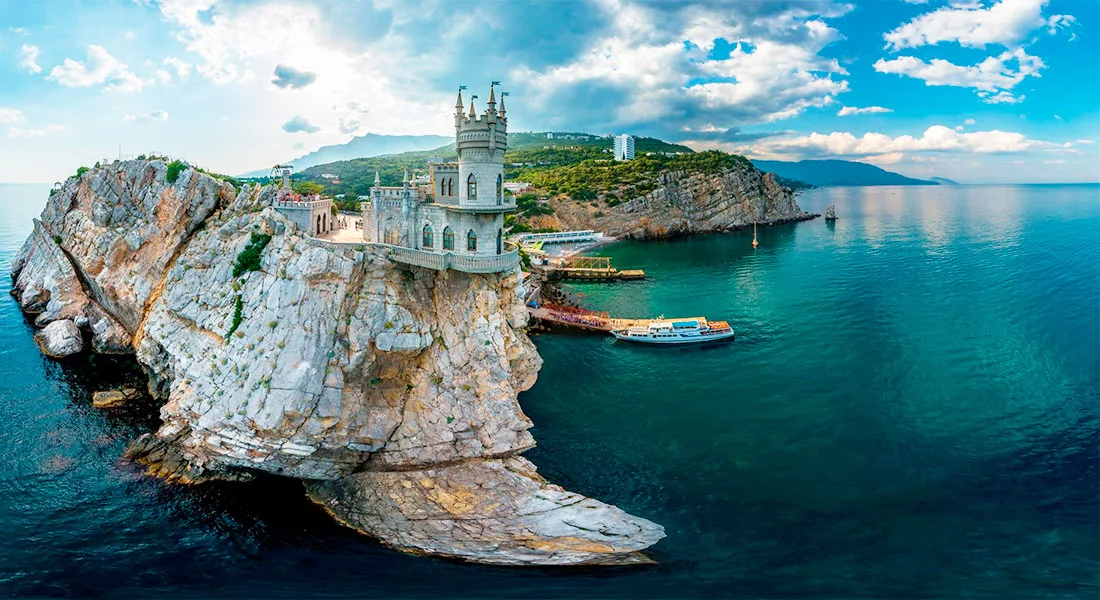
Crimea real estate: what buyers and investors need to know
Crimea’s Black Sea coastline, spa towns and temperate climate make it a popular destination for holiday homes and rental properties. At the same time, complex legal, financial and political realities affect how real estate transactions are carried out and how attractive assets are as investments. This guide summarizes the practical market picture, common property types, transaction steps, and the main risks to assess before buying in Crimea.
Market snapshot
— Demand drivers: coastal tourism (summer season), second homes for residents of nearby regions, local residential demand in administrative and port cities.
— Popular locations: Yalta, Alushta, Gurzuf, Sevastopol, Simferopol, Evpatoria, Feodosia and Kerch — each with different price dynamics and infrastructure.
— Property styles: Soviet-era apartments, new apartment buildings, seaside cottages and dachas, villas on hills and small commercial properties oriented to tourism (guesthouses, cafés).
Types of buyers and typical uses
— Holiday-home buyers seeking seasonal rentals.
— Local or regional residents buying long-term housing.
— Small investors focused on short-term holiday lets or guesthouses.
— Buyers seeking renovation projects (older stock often needs upgrades).
Legal and practical considerations (overview)
— Administrative and international context: Crimea is administered by Russia; many countries and international institutions maintain a disputed recognition stance and have imposed sanctions affecting the region. These realities create practical constraints for finance, insurance and cross‑border transactions.
— Property rights and ownership: ownership and registration are determined under the applicable local registry system. Certain categories of land (for example agricultural land) can be subject to special restrictions, and forms of ownership vs long-term lease may differ.
— Due diligence is essential: confirm the seller’s title, check the cadastral registration, clarify boundaries and easements, and verify there are no encumbrances, unpaid taxes, or court disputes.
*Action tip:* engage a local lawyer experienced in Crimean real estate and a licensed local notary or cadastral specialist before committing funds.
Due diligence checklist
— Verify ownership in the official land and property registry (cadastral numbers).
— Obtain copies of title documents, building permits and certificates of ownership.
— Check for mortgages, liens, court claims or unpaid utility/tax debts.
— Confirm permitted land use and zoning, especially for conversions or commercial use.
— Inspect physical condition, utilities (water, sewage, electricity), and access roads.
— Ask for proof of recent property tax payments and utility bills.
— If buying off-plan or from a developer, review contracts, warranties and completion guarantees.
Financing, payment and escrow
— International banks and payment channels may be constrained by sanctions and regulatory rules; transferring funds cross-border can be more complex.
— Local Russian banks may offer mortgages to residents; availability to non-residents varies.
— Use secure payment mechanisms: escrow with a reputable local bank or notary-supervised settlement is recommended.
— Keep thorough documentation of all payments and signed agreements.
Taxes, fees and running costs
— Expect transaction-related costs: registration fees, notary fees, agent commissions and possible transfer taxes. Exact rates depend on property type and local rules.
— Ongoing costs: property tax, land tax, utilities, maintenance and seasonal management fees for shared facilities.
— Always confirm tax liabilities and reporting obligations with a local tax advisor.
Rental market and expected returns
— Short-term (holiday) rentals: high season yields can be attractive in resort towns, but occupancy is strongly seasonal.
— Long-term rentals: more stable in administrative and port cities (Simferopol, Sevastopol).
— Take into account management costs, seasonal vacancy, and potential legal restrictions on hospitality operations.
Key risks to evaluate
— Legal and recognition issues: titles and transaction outcomes may be affected by the region’s contested status and by differing international recognition—this may complicate resale or legal recourse in some jurisdictions.
— Sanctions and banking limitations: make fund transfers, mortgages, insurance and foreign banking relationships more difficult.
— Exit risk: resale markets can be thin or unpredictable; plan an exit strategy and horizon in advance.
— Insurance and liability: obtaining international insurance coverage can be difficult; local policies may offer limited protection.
— Physical risks: coastal erosion, landslides in some cliffside locations, and infrastructure constraints in more remote areas.
— Quality and standards: older housing stock often requires renovation to meet modern standards; check structural condition, electrical systems and plumbing.
Practical buying steps (recommended process)
1. Define your objectives: holiday home, rental income, renovation project or long-term residence.
2. Research locations and visit multiple properties in person across