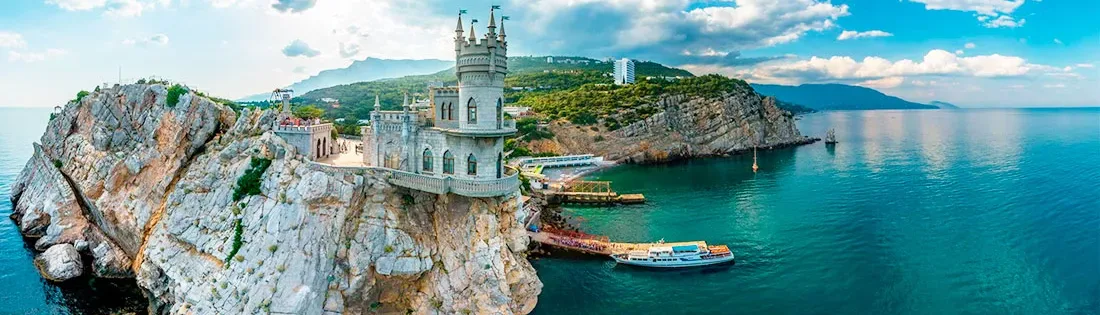
Real Estate in Crimea, Russia — Overview
Crimea’s coastline, historic towns and resort infrastructure make it a distinctive market for residential and holiday properties. Since 2014 the peninsula has been administered by Russia, which has shaped legal, financial and investment conditions. Demand is strongest for seaside apartments, private villas and tourist-oriented commercial assets, while transaction processes, financing options and international access are impacted by political and legal complexities.
Key Market Trends
— Coastal demand: Yalta, Alushta, Sudak, Feodosia, Koktebel and Balaklava remain popular for holiday and second-home buyers.
— Seasonality: High occupancy and rental income in late spring–early autumn; winters are quieter.
— Infrastructure projects: The Kerch Bridge and improvements to transport and utilities increased accessibility and interest from domestic buyers and developers.
— Limited foreign financing: International banks and payment channels may be restricted; many transactions are done in rubles through Russian banks.
— Development focus: Renovation of Soviet-era buildings, small boutique hotels and gated villa complexes aimed at domestic tourists.
Types of Properties
— Apartments — common in coastal towns, often in older multi-storey buildings or newer resort complexes.
— Private houses and villas — popular for longer-term seasonal use; sea-view plots command premiums.
— Land plots — for private construction or small hospitality projects; land-use rules can be restrictive.
— Commercial/resort real estate — guesthouses, mini-hotels and cafes near beaches cater to the tourist market.
Legal and Practical Considerations
— Legal status and risks: Crimea’s international status is disputed, and many countries and financial institutions apply sanctions. This creates legal and transactional uncertainty for foreign buyers and investors.
— Property registration: Local property is registered under Russian systems (Rosreestr). Verify the cadastral number and registration records.
— Foreign ownership of land: Russian law imposes restrictions on foreign ownership of certain land types (agricultural, land near borders). These rules may apply in Crimea — check current regulations with a local lawyer.
— Due diligence essentials:
— Verify ownership and encumbrances at the property registry (title search).
— Confirm seller identity and power of attorney if applicable.
— Check debts, mortgages, utility arrears and zoning/land-use restrictions.
— Request floor plans, technical passports and building permits.
— Notarization and registration: Sales agreements are commonly certified by a notary and then registered with Rosreestr. The buyer should ensure transfer of title is properly recorded.
— Currency and payments: Transactions are typically in Russian rubles; international transfers may be restricted by sanctions. Use secure, legal payment channels and insist on receipts and escrow arrangements where possible.
— Mortgages and financing: Availability from Russian banks varies; many international lenders do not finance purchases in Crimea. Expect higher down payments and limited mortgage products.
Practical Step-by-Step Buying Checklist
1. Define objectives: holiday home, long-term residence, rental income or development.
2. Research locations: visit during and outside the season to assess occupancy, noise and services.
3. Engage professionals early:
— Local real estate agent with good references
— Independent lawyer experienced in local property law
— Notary for transaction certification
— Surveyor/inspector for technical condition
4. Perform due diligence: title search, encumbrance check, verify seller, technical inspection.
5. Negotiate terms and use a written sale agreement reviewed by your lawyer.
6. Arrange secure payment: prefer escrow or notarized transfer with registration confirmation.
7. Register the transfer of ownership with Rosreestr and retain certified copies.
8. Plan ongoing costs: utilities, municipal taxes, maintenance and seasonal management if renting.
Financial and Tax Notes
— Rental yields can be attractive in peak season, but revenues are highly seasonal.
— Taxation follows Russian tax rules for property and rental income; non-resident rules may apply. Consult a tax adviser familiar with Russian/Civic status implications.
— Insurance: some international insurers may not cover properties in Crimea; local insurance options vary.
Risks and Mitigations
— Political and legal risk: Changing international position and sanctions can affect resale, financing and access. Mitigation: accept higher risk premium, seek legal opinions, and plan exit strategies.
— Liquidity risk: Resale market can be thin outside peak tourist segments. Mitigation: buy in well-known resort towns and verify demand.
— Banking and payment restrictions: Use compliant Russian banking channels and document all transfers.
— Infrastructure and services: Some rural areas may have inconsistent utilities, road access or emergency services. Mitigation: inspect infrastructure and obtain guarantees where possible.
— Construction and permitting: Renovations and new construction may face bureaucratic hurdles. Work with local architects and authorities.
Who Should Consider Buying in Crimea
— Domestic Russian buyers or residents already familiar with local systems.
— Investors seeking seasonal rental income who accept political and liquidity risks.
— Buyers seeking a holiday home and willing to manage logistical, legal and financial complexity.
Professionals to Engage
— Local real estate agent (with verifiable track record)
— Licensed notary (for contract certification)
— Real estate lawyer (title, registration and sanction-related advice)
— Surveyor/architect (technical inspection)
— Tax adviser (Russian/non-resident tax implications)
— Property manager (if planning to rent)
Quick FAQ
— Can foreigners buy property in Crimea? Restrictions and practical obstacles exist; legal status is complex and depends on current Russian regulations and sanctions. Seek a local lawyer.
— Are mortgages available? Some Russian banks offer mortgages, but many international banks do not finance Crimea. Terms can be tighter for non-residents.
— Is rental income reliable? Seasonal peaks can produce strong income, but year-round returns are limited and depend on location and property quality.
Bottom Line
Crimea offers attractive coastal properties and tourism-driven opportunities, but the market is shaped by legal uncertainty, sanctions and practical hurdles. Thorough due diligence, trusted local advisers and a clear risk tolerance are essential. Before proceeding, obtain up-to-date legal and tax advice and plan for secure payment and registration processes.