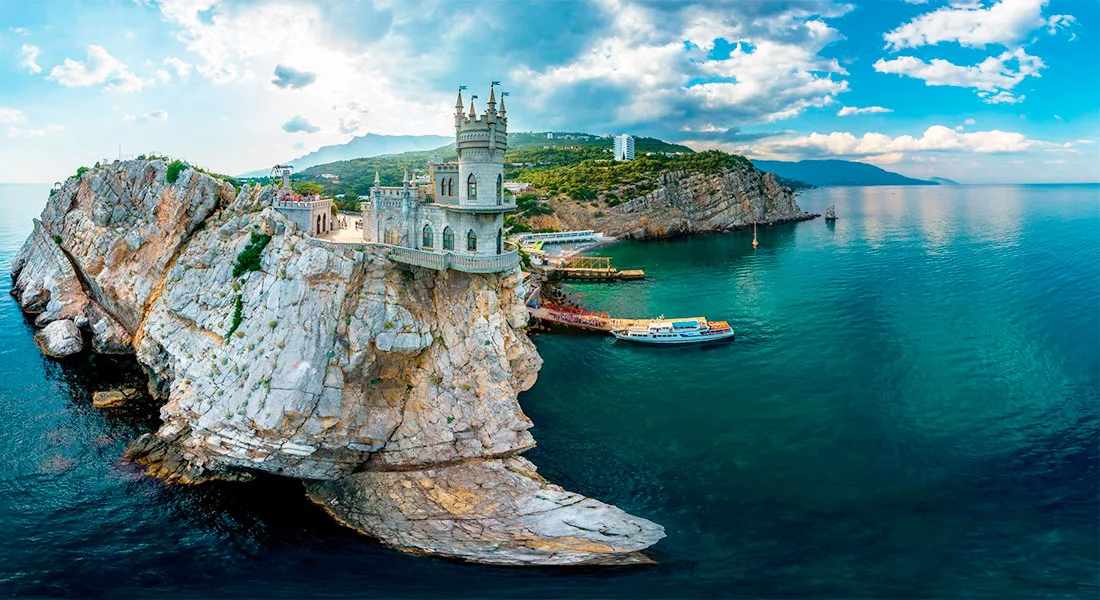
Real Estate in Crimea: Practical Guide for Buyers and Investors
A concise, practical overview for anyone considering buying, selling, renting or investing in property in Crimea. This guide covers market characteristics, legal and political considerations, due diligence, financing, rental prospects and key risks — with actionable next steps.
Market snapshot
— Location advantages: Mediterranean-like climate on the southern coast, beaches, tourism infrastructure, and proximity to major Black Sea ports.
— Common property types: seafront apartments, private villas, suburban houses, small guesthouses and commercial premises aimed at tourism (cafés, shops, tour services).
— Seasonality: demand and rental income are highly seasonal, peaking in late spring–early autumn.
— Development: pockets of renovation and new builds, mainly in resort towns; infrastructure investment often focused on road and tourist facilities.
Note: market data and price levels can vary widely by town (e.g., Yalta, Sevastopol, Simferopol, coastal villages). Always check current local listings and recent transaction records.
Legal and political considerations (must-read)
— Disputed status: Crimea’s international status is contested. It is administered by Russia, but many countries and international organizations do not recognize the annexation. This has direct implications for property rights, registries, enforceability and cross-border transactions.
— Title and registration: property may be registered under Russian authorities; some previous Ukrainian records may be inconsistent or contested. Ownership history and chain of title require special attention.
— Sanctions and compliance: there are international sanctions regimes that may affect transactions (banking, insurance, payment processing, legal services and ability of foreign nationals and companies to invest). Check current sanctions lists and obtain expert compliance advice.
— Legal counsel: engage lawyers experienced in Crimea transactions and international law. Do not rely solely on general online advice.
Practical due diligence checklist
— Verify seller identity and power of attorney documents.
— Confirm chain of title and encumbrances in the local land/property registry; obtain certified extracts.
— Check whether property was properly re-registered after 2014 (if applicable) and whether there are outstanding disputes or claims.
— Inspect cadastral and boundary plans; verify land-use designation and permitted uses.
— Review building permits, occupancy certificates and any outstanding violations or fines.
— Assess utilities (water, sewage, electricity, gas), road access and seasonal access limitations.
— Survey for structural defects and get a professional inspection for moisture, roofing, foundations and electrical systems.
— Confirm property tax status and outstanding tax liabilities.
— If buying income property: review past rental income, occupancy rates, seasonal variations and existing contracts with tenants or platforms.
— Check local rules for short-term rentals and tourism licensing.
Financing, taxes and transaction mechanics
— Mortgages: availability from international banks is limited; local Russian banks may offer lending, but terms, currency and eligibility rules vary. Expect stricter documentation and higher down payments.
— Payments and escrow: use secure mechanisms; be cautious of cash-only proposals. Consider using a notary or escrow agent where available.
— Taxes and fees: buyers should budget for transfer taxes, notary fees, registration fees and possible agent commissions. Tax regimes differ from those applicable under Ukraine; verify current local rates.
— Currency risk: transactions may be in rubles; foreign investors should consider FX risks and restrictions on converting or moving funds.
Investment and rental prospects
— Short-term rental: high potential in tourist hotspots during season; requires active property management and marketing.
— Long-term rental: more limited and typically local-market-driven; yields may be lower outside peak towns.
— Capital appreciation: heavily influenced by political risk, tourism trends and infrastructure projects. Expect higher volatility than in stable markets.
Risks and mitigation
— Political and legal risk: the primary risk is the region’s contested international status, which can affect property recognition, enforcement and resale to foreign buyers. Mitigation: thorough legal advice and conservative assumptions about exit options.
— Sanctions-related limitations: can restrict financing, insurance and cross-border transactions. Mitigation: run sanctions checks and consult compliance counsel.
— Market liquidity: resale to international buyers may be limited; the local buyer pool and domestic demand are more important.
— Operational risks: seasonal vacancy, property damage, unreliable utilities and variable service standards. Mitigation: work with reputable local managers and contractors; maintain contingency funds.
— Title disputes and fraud: mitigate by using verified agents, independent title checks and escrow mechanisms.
Practical tips for buyers and investors
— Always work with a local, reputable lawyer and a licensed real estate agent experienced in Crimea.
— Visit the property in different seasons to assess access, noise and tourism levels.
— Insist on certified documentation and verify everything with official registries.
— If planning rentals, factor in management fees, cleaning, marketing and seasonal vacancies.
— Consider structuring ownership through locally compliant entities only after legal review — avoid opaque ownership arrangements that increase legal exposure.
— Keep up to date with changes in sanctions, travel advisories and local regulations.
Recommended next steps
1. Define objectives: primary residence, vacation home, rental income or long-term capital investment.
2. Engage specialists: local real estate agent, lawyer familiar with cross-border issues, and a tax advisor.
3. Perform pre-checks: sanctions screening, basic title search and confirmation of utilities.
4. Inspect properties in person and obtain professional building inspections.
5. Negotiate terms with clear escrow, payment and contingency clauses.
6. Complete registration and tax filings with certified local notary/registrar.
Final note
Crimea offers attractive natural assets and tourism demand, but properties there carry significant legal and political complexity. Proceed only after obtaining specialised legal, tax and compliance advice tailored to your nationality and investment structure.